
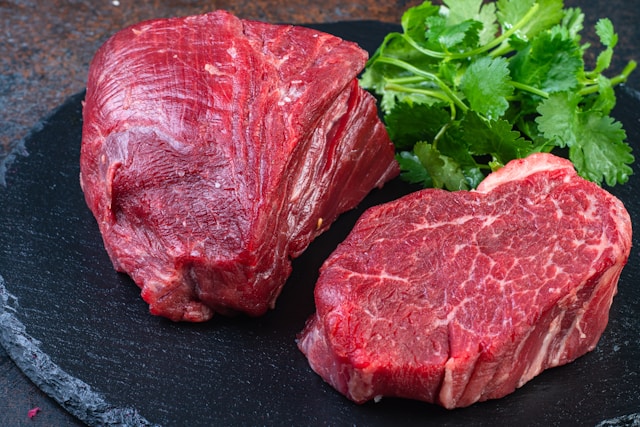
You need protein. Your trainer says so. Your diet plan says so. Every fitness influencer you follow says so. Most people reach for chicken, tuna, or another scoop of protein powder that tastes like sadness mixed with chalk. But there’s an option sitting right there that nobody talks about: game meat. Not exotic. Not weird. Just better protein from animals that actually moved around instead of standing in feedlots.
1. More Protein Per Bite Than Pretty Much Everything
Game meat isn’t messing around with protein density. A serving typically contains 25 to 30 grams, though this might vary depending on the cut. When compared to chicken breast, you’re in the same ballpark, but game meat consistently outperforms it and contains substantially less fat.
This is vital for athletes who want to gain 150 or 200 grams of protein per day without eating their body weight in meals. You do not have to eat six meals that leave you so full that you can’t walk to get extra usable protein. Less volume yields the same results.
2. So Lean It Makes Chicken Look Fatty
Wild animals spend their lives actually being active. They’re not confined, they’re not standing around getting fat. This shows up in the meat. Elk meat Alberta suppliers provide, along with venison and bison, is incredibly lean compared to anything you’d find in a typical grocery store meat section.
Athletes watching body composition can eat game meat without worrying about hidden fat calories destroying their macros. You’re getting protein that supports muscle without the excess you’d get from conventional beef. Your calculations stay simple because there’s nothing to trim or account for.
3. The Nutrition Goes Way Beyond Basic Protein
Sure, protein is why you’re eating it. But game meat brings along iron, B vitamins, zinc, and a bunch of other nutrients that athletes burn through faster than regular people. These aren’t trace amounts either. The concentrations actually matter.
Iron helps oxygen get where it needs to go, which means better endurance. B vitamins support energy metabolism, so you’re not dragging halfway through workouts. Zinc helps recovery and keeps your immune system functional when training stress would normally wreck it. You’re not just hitting protein targets. You’re covering nutritional gaps that mess with performance when ignored.
4. Zero Weird Additives Or Pharmaceutical Surprises
Wild game didn’t get growth hormones. Nobody pumped it full of antibiotics. It just lived, ate what it evolved to eat, and that’s it. For athletes who care about what goes into their bodies, this removes a whole category of concerns.
Factory farming involves things most people would rather not think about. Game meat sidesteps all of that. Just animals that lived naturally, producing meat without pharmaceutical intervention. Clean protein without the questions.
5. Your Taste Buds Won’t Hate You For Eating It
Game meat tastes different. Richer, more complex, interesting in ways that conventional meat isn’t. This sounds minor until you’re eating massive amounts of protein every week and you’re so sick of chicken you want to throw your meal prep containers out a window.
Variety keeps you consistent with your diet. When protein doesn’t taste like the same boring thing meal after meal, sticking to your nutrition plan becomes way easier. Diet adherence matters more for long-term results than having the theoretically perfect macro split you can’t maintain.
Conclusion
Game meat gives athletes serious advantages. Higher protein density means hitting targets without eating constantly. Extremely lean composition keeps macros clean. Nutrient density beyond just protein supports performance from multiple angles. No hormones or antibiotics remove concerns about what you’re actually consuming. Better flavor helps diet adherence over time. It’s not about replacing every protein source you use, but adding game meat to the rotation makes sense for anyone serious about performance nutrition.